

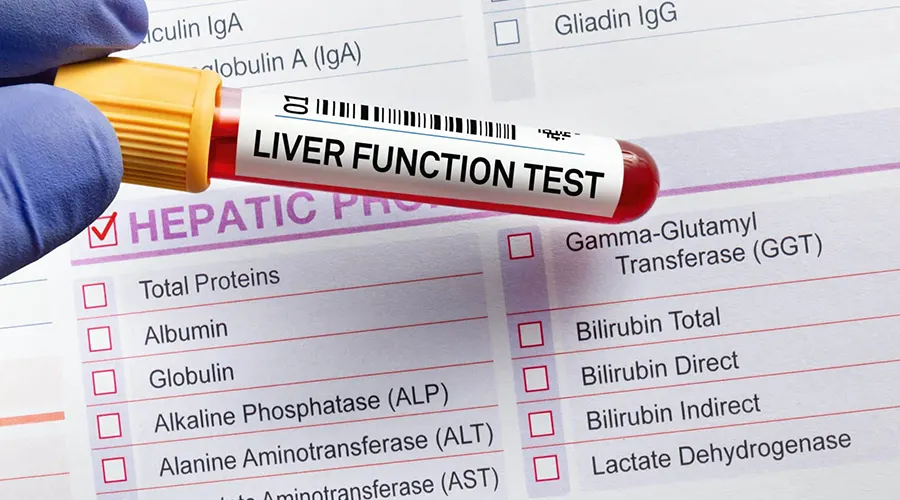
Liver Function Tests (LFT): Symptoms, Risks & When You Should Get Tested
Why Liver Testing Matters
Your liver handles over 500 functions — from filtering toxins to breaking down food and medications. When the liver is under stress, the signs are often subtle in the early stages. That’s why Liver Function Tests (LFTs) are essential for catching problems before they turn serious. This blog breaks down what LFTs measure, the warning signs you shouldn’t ignore, and when it's time to get tested.
What Is a Liver Function Test (LFT)
A Liver Function Test is a group of blood tests that check how well your liver is working. These tests help detect inflammation, infection, injury, and early signs of liver disease.
Key Markers in an LFT:
- ALT (Alanine Aminotransferase): Shows liver inflammation or injury.
- AST (Aspartate Aminotransferase): Helps identify liver and muscle damage.
- ALP (Alkaline Phosphatase): Measures bile duct issues or blockages.
- Bilirubin: High levels cause jaundice and indicate liver or bile duct problems.
- Albumin & Total Protein: Show how well the liver is producing vital proteins.
- These values together give a complete picture of your liver’s health.
Common Symptoms of Liver Problems
Liver issues don’t always show early signs, but when symptoms appear, they often include:
- Persistent fatigue or weakness
- Yellowing of skin or eyes (jaundice)
- Dark urine or pale stools
- Unexplained nausea or vomiting
- Abdominal pain or swelling
- Loss of appetite
- Itchy skin
- Easy bruising
If you’re experiencing more than one of these, an LFT is overdue.
Who Should Get an LFT? (High-Risk Groups)
Certain conditions and habits put extra pressure on the liver. You should consider regular LFT testing if you:
- Consume alcohol frequently
- Have hepatitis B or C
- Are overweight or have fatty liver
- Have diabetes or thyroid disorder
- Take long-term medications
- Have a family history of liver disease
- Have high cholesterol or metabolic syndrome
- Are experiencing unexplained fatigue or digestive issues
Routine testing helps catch damage early — often before symptoms even appear.
Why Early Testing Is Critical
The liver can regenerate, but only if damage is caught early. LFTs help:
- Detect liver injury or inflammation
- Understand causes of jaundice
- Monitor ongoing liver disease
- Track the effects of medications on the liver
- Prevent complications like cirrhosis, portal hypertension, and liver failure
Skipping liver tests can allow silent damage to grow unchecked.
When Should You Take an LFT?
You should get tested if:
- You notice symptoms like jaundice, fatigue, or abdominal pain
- Your doctor suspects liver disease
- You’re on regular medication that affects liver health
- You consume alcohol frequently
- You’re managing diabetes, obesity, or high cholesterol
- You want a preventive check-up
Ideally, people in high-risk groups should take an LFT every 6–12 months.
Latest Posts

Blood Test Reports Explained: Understanding Common Parameters and Reference Ranges
Aug 26, 2026
Comprehensive Polyclinic Care: Why Integrated Healthcare Matters
Jul 31, 2026
Benefits of Blood Tests at Home for Elderly Patients and Busy Professionals
Jul 02, 2026
How to Choose the Best Pathology Lab in Kolkata for Accurate Test Results
May 29, 2026
The Complete Guide to Diabetes Testing: Fasting, PP, HbA1c
Dec 11, 2025
Why Vitamin D & Vitamin B12 Deficiency is Rising And How Testing Helps
Dec 10, 2025
