

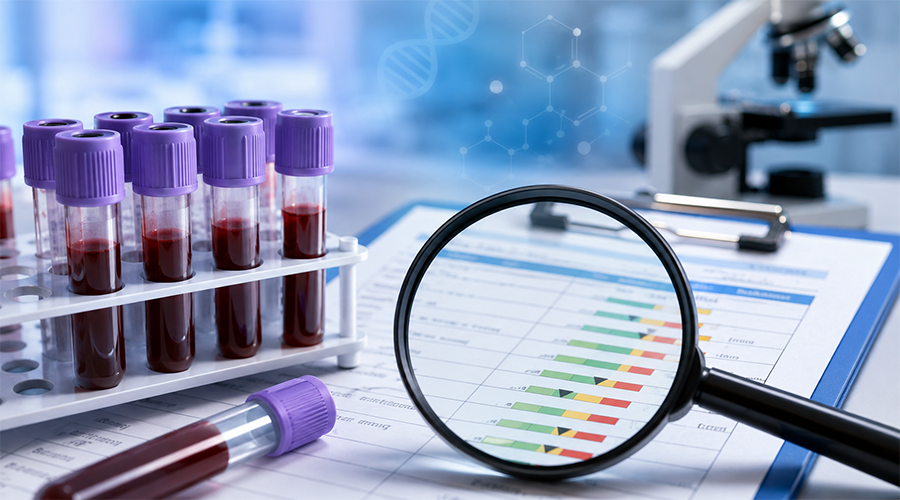
Blood Test Reports Explained: Understanding Common Parameters and Reference Ranges
Blood tests are among the most commonly used diagnostic investigations. They can provide useful information about blood cells, blood sugar, cholesterol, thyroid function and organ health. However, understanding a laboratory report can sometimes be confusing because it contains multiple parameters, numbers, units and reference ranges.
Knowing what common parameters mean can help you understand your report better. However, test results should always be interpreted in the context of your symptoms, medical history and advice from a qualified healthcare professional.
What Is a Blood Test Report?
A blood test report records the results obtained after analysing a blood sample. Depending on the tests requested, it may include the test name, your result, measurement unit and the laboratory's reference range.
Reference ranges can vary between laboratories because testing methods and reference populations may differ. Therefore, always use the reference range provided on your own report rather than comparing your result with numbers found online.
Common Blood Test Parameters Explained
Haemoglobin
Haemoglobin is a protein in red blood cells that carries oxygen throughout the body. It is commonly measured as part of a complete blood count (CBC). Abnormal levels may require further evaluation depending on the individual's overall health.
White Blood Cell Count
White blood cells help the body respond to infections and other immune challenges. The white blood cell count may provide useful information when investigating certain infections, inflammation and other conditions.
Platelet Count
Platelets help the blood to clot. A platelet count is often included in a CBC and may help doctors investigate certain bleeding or clotting concerns.
Blood Glucose
Blood glucose tests measure the amount of glucose in the blood. Fasting plasma glucose and HbA1c are commonly used when assessing or monitoring diabetes, depending on the individual's circumstances.
Lipid Profile
A lipid profile may measure total cholesterol, HDL cholesterol, LDL cholesterol and triglycerides. These results can contribute to an assessment of cardiovascular risk alongside other factors such as age, blood pressure and medical history.
TSH
Thyroid-stimulating hormone (TSH) is commonly tested when evaluating thyroid function. Depending on the result and clinical situation, additional thyroid tests may be recommended.
Why Laboratory Quality Matters
Reliable results depend on more than the testing equipment. Proper patient identification, sample collection, labelling, handling and transportation are also important.
When choosing a clinical laboratory in Kolkata or searching for the best blood test lab in Kolkata, consider factors such as laboratory quality standards, qualified professionals, appropriate technology, sample handling procedures and clear reporting.
For patients who find travelling difficult, a blood test at home in Kolkata can provide additional convenience when the service follows appropriate sample collection and transportation procedures.
Should You Interpret Your Report Yourself?
A blood test result outside the reference range does not automatically mean that you have a disease. Results can be influenced by several factors and need to be interpreted in context.
If you receive an abnormal result or have health concerns, discuss the report with your doctor before making any medical decisions.
Frequently Asked Questions
What is a reference range in a blood test?
It is a range of results established for a defined reference population using a particular laboratory's testing methods. The range can vary between laboratories.
Does an abnormal result always indicate a disease?
No. An abnormal result does not necessarily mean that a person has a disease. A healthcare professional should interpret the result in context.
Which blood tests are commonly included in health checkups?
Depending on the package and individual needs, tests may include CBC, blood glucose, lipid profile, thyroid tests and liver or kidney-related investigations.
Can I get a blood test at home?
Yes. Home sample collection is available through many diagnostic laboratories and can be particularly convenient for elderly individuals, people with mobility difficulties and busy professionals.
Should I consult a doctor after receiving my report?
Yes, especially if you have symptoms or results outside the laboratory's reference range. A doctor can assess the findings alongside your overall health and recommend appropriate next steps.
Choose a Reliable Diagnostic Laboratory
Understanding your blood test report is useful, but reliable testing is the first step. Ashok Laboratory provides a range of diagnostic investigations with professional sample collection and patient-focused services.
If you are looking for a best blood test centre in Kolkata for routine investigations, preventive screening or convenient home sample collection, Ashok Laboratory is committed to providing dependable diagnostic support.
Latest Posts

Comprehensive Polyclinic Care: Why Integrated Healthcare Matters
Jul 31, 2026
Benefits of Blood Tests at Home for Elderly Patients and Busy Professionals
Jul 02, 2026
How to Choose the Best Pathology Lab in Kolkata for Accurate Test Results
May 29, 2026
The Complete Guide to Diabetes Testing: Fasting, PP, HbA1c
Dec 11, 2025
Liver Function Tests (LFT): Symptoms, Risks & When You Should Get Tested
Dec 10, 2025
Why Vitamin D & Vitamin B12 Deficiency is Rising And How Testing Helps
Dec 10, 2025
